Black Youth SUICIDE
A Crisis in Our Community
What Happened?

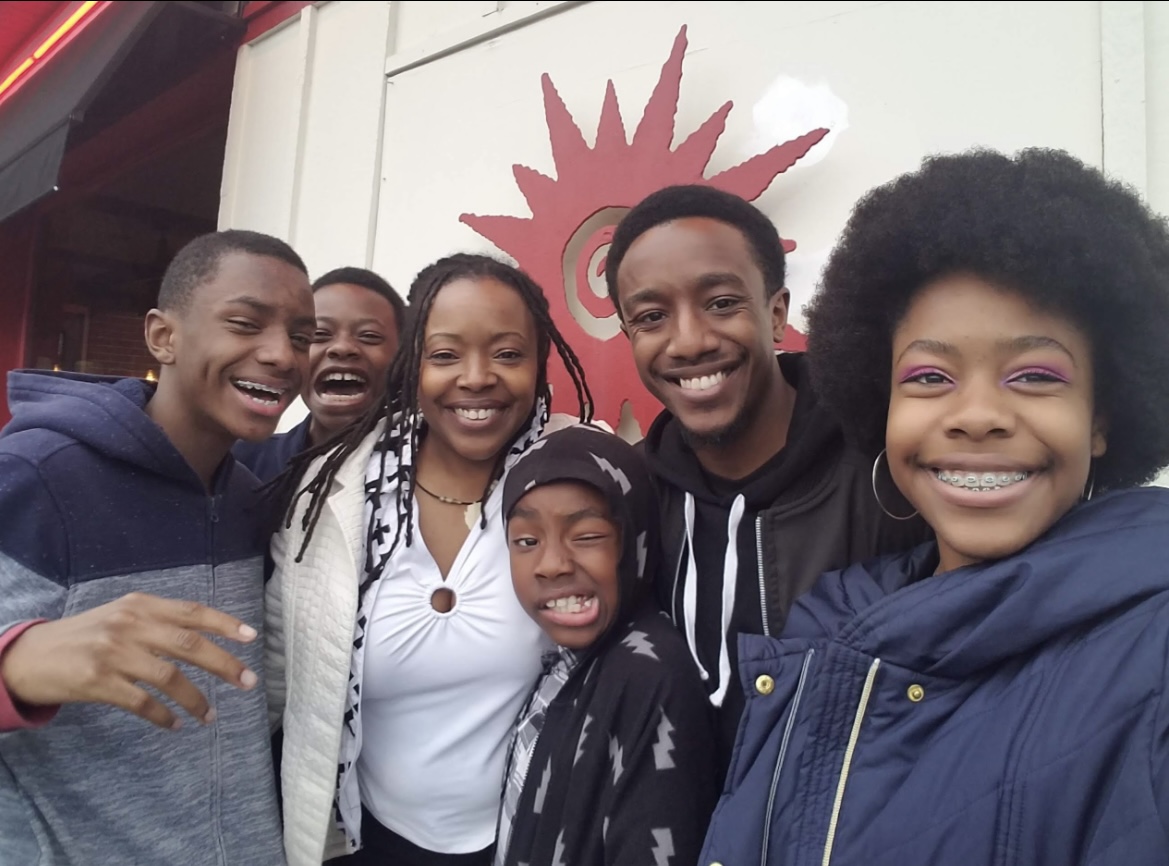
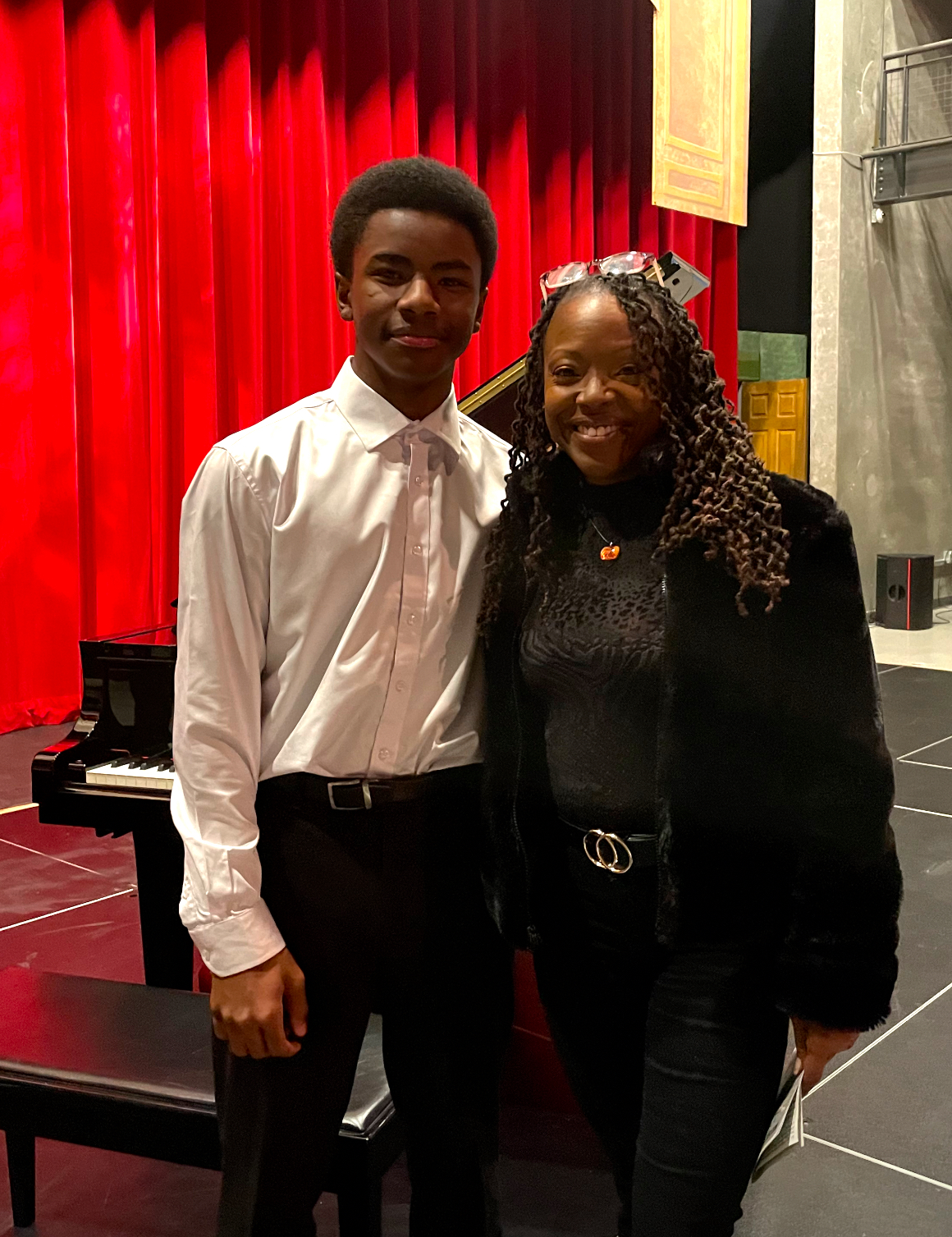
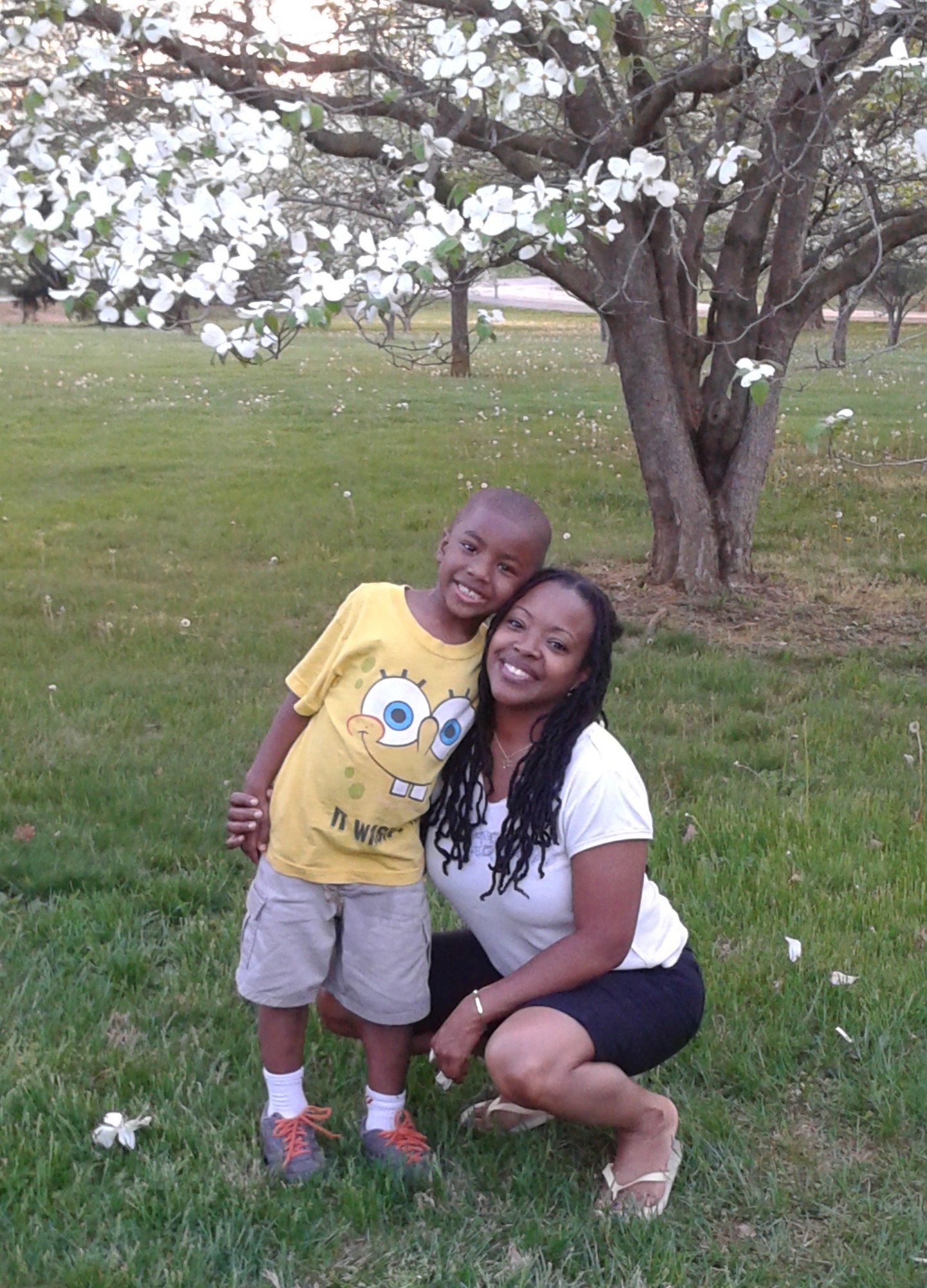
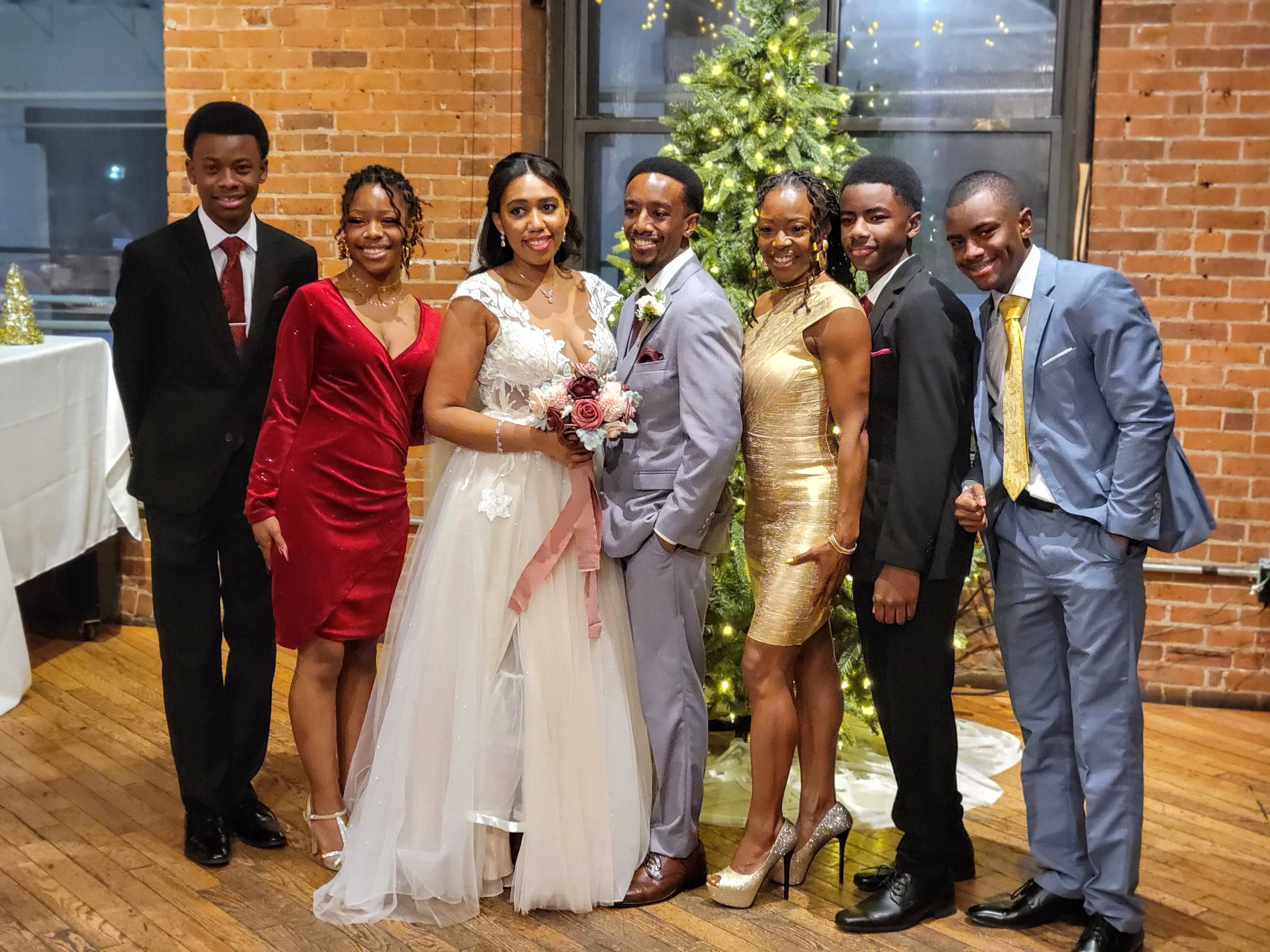
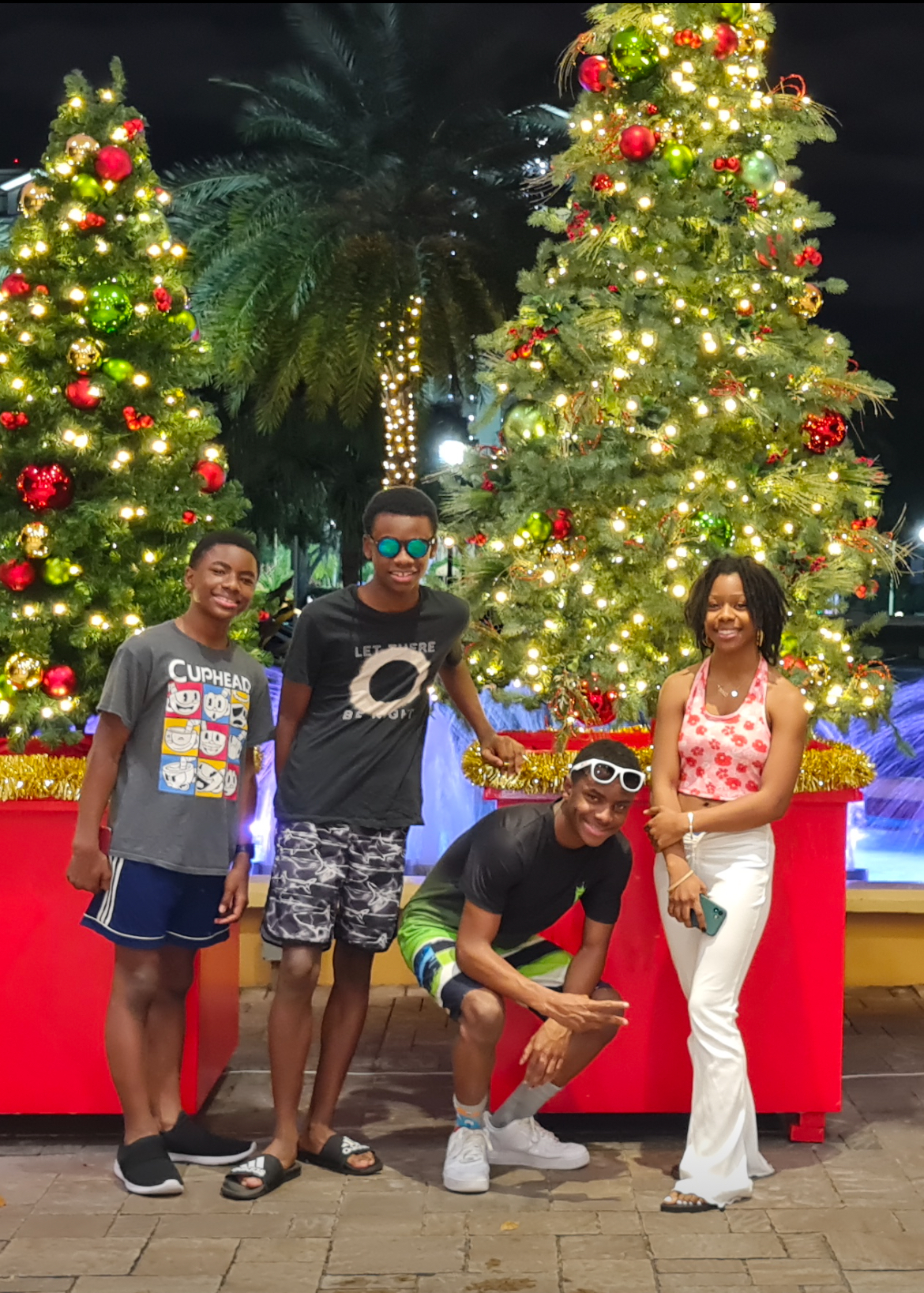
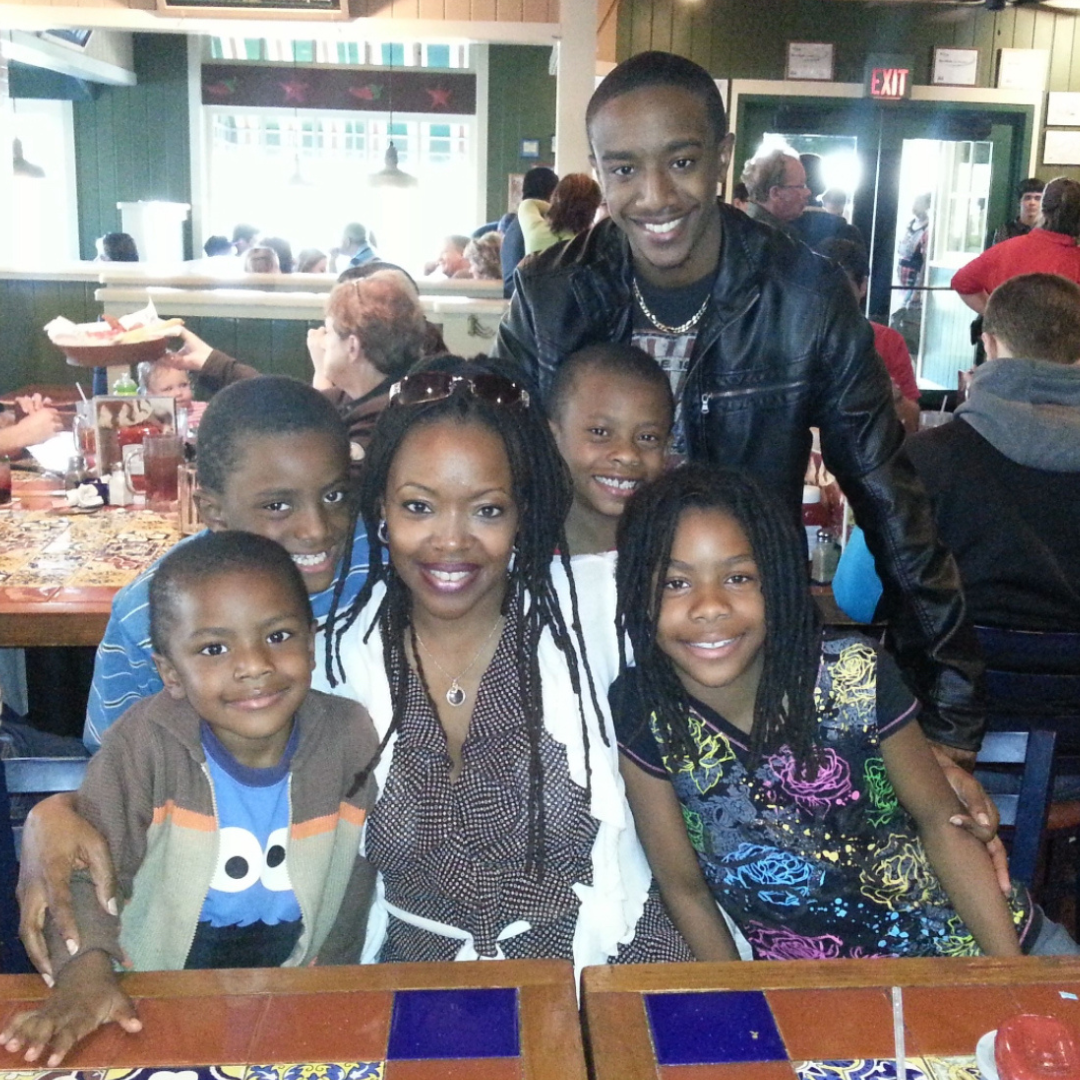
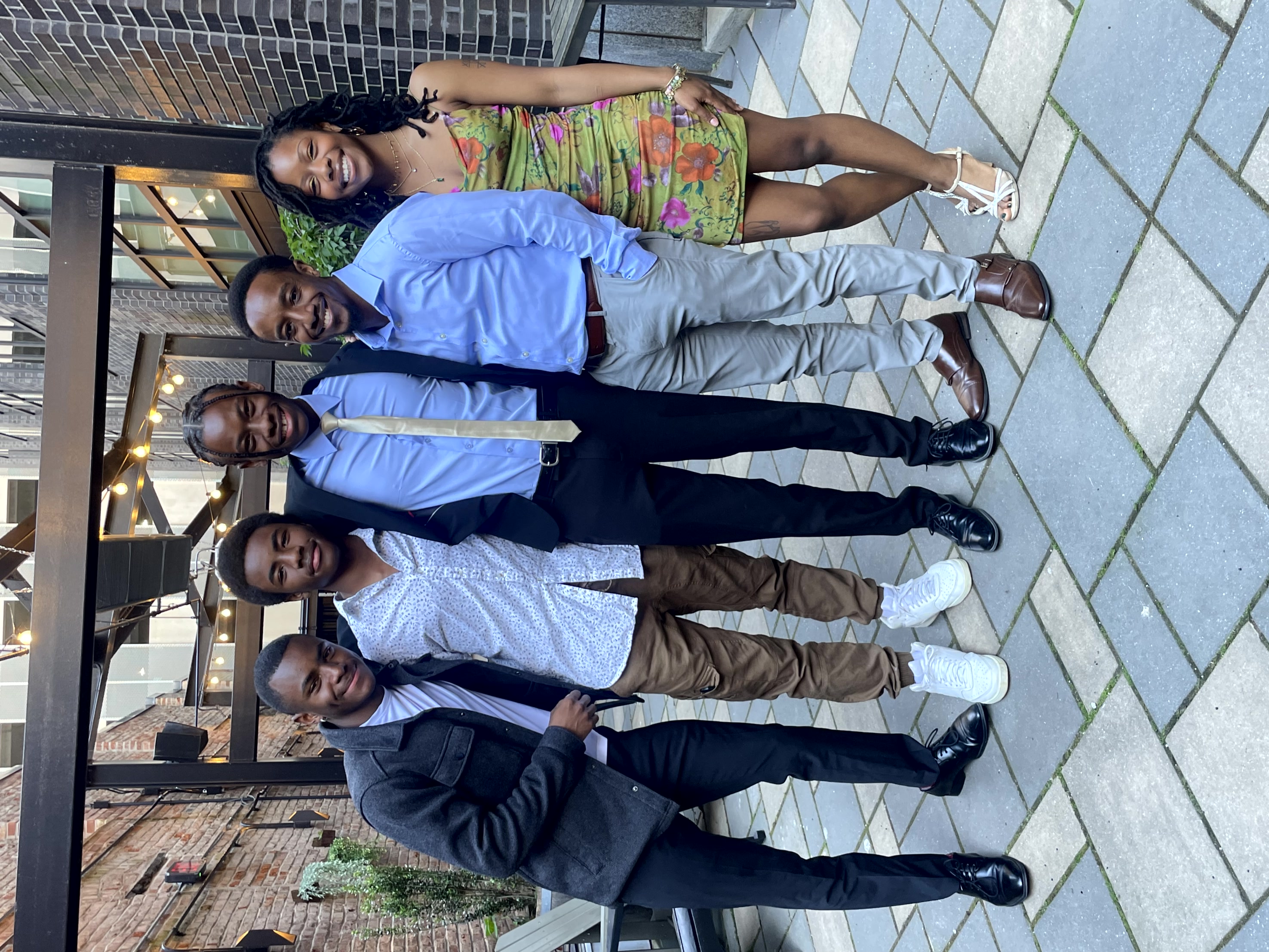
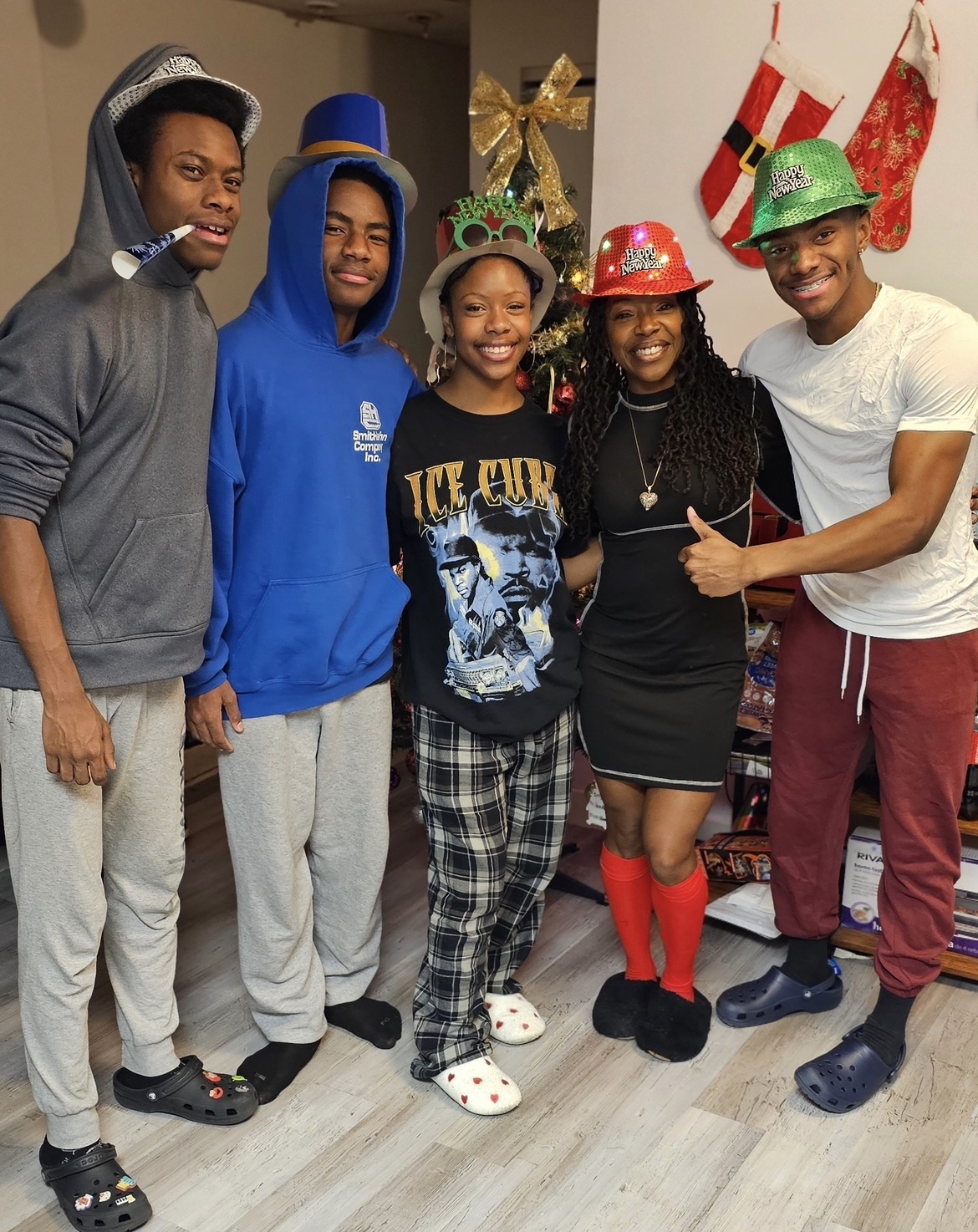
Emmanuel didn't fit the statistics. He wasn't a product of neglect or absence. He was deeply loved and supported. He knew it and felt it. We were a single-mother household, but my children never lacked what they needed. He had piano lessons, vacations, summer camp, school trips, family game nights, holiday traditions, pets. We had fun.
He was smart, funny, strong, compassionate, a good friend. He was loved. He told his friends he had a great family and he loved us. He was doing well and active in school, practicing piano religiously, talking about future plans, laughing with his brother and best friend Solomon, daily. Through the community music school where he was taking lessons, the two of them just had a donated piano delivered to our home.
Nothing on the outside said he was in this kind of trouble.
He had some struggles with mental health since around age 9. When things escalated at 14, I fought to get him help. He spent a week at Kids Peace. When he came out, the system gave him a middle-aged therapist he couldn't understand or connect with, who talked to him about stem cell careers, when he was a musician. I called to report it wasn't working. By then, Manny didn't want to continue. He said he didn't need it. He was 14 and legally able to make that decision. I respected it, watched closely, saw nothing alarming. It appeared that it was just another stage of growing pains and he was moving past it. And then he was gone.
If this is your story too — a family that loved well, a system that failed, a loss that makes no sense — you are not alone, and you are not to blame. That's why Sisters in Sorrow exists."





The numbers are stark. Black youth suicide rates have risen 144–233% depending on the age group. Young Black men are now dying by suicide at higher rates than white men — for the first time in recorded history. Black children aged 5–12 are twice as likely to die by suicide as their white peers.
Why it's rising: Structural racism, easier access to firearms, racial trauma and chronic stress, social media, and a near-total shortage of culturally competent mental health care. Black Americans see a therapist at half the rate of white Americans, and only 4% of U.S. therapists are Black.
Why Black families grieve differently: Cultural and religious stigma ("they're going to hell"), shame and silence enforced by community, deep distrust of mental health systems rooted in history, and intergenerational grief that compounds everything. Families are often left completely alone.
A Crisis That Cannot Be Ignored

You Are Not Alone in This
These organizations are doing important work to address the crisis of Black youth suicide. Some focus on prevention and awareness, some on healing and community. None of them will have all the answers — but each one is a place to turn.
BEAM — Black Emotional and Mental Health Collective
A national, Black-led organization offering healing circles, mental health resources, and community wellness programs for Black people. One of the most active and well-resourced organizations in this space. https://beam.community
AFSP L.E.T.S. Save
The American Foundation for Suicide Prevention's program built specifically for Black and African American communities — focused on reducing stigma and building awareness around mental health and suicide. https://afsp.org/letssavelives
DeeDee's Cry
Founded by Toy Burton after losing her sister DeeDee to suicide, DeeDee's Cry is a BIPOC-led nonprofit in Boston offering the Life After Loss Support Group for those who have lost someone to suicide. https://deedeescry.org
Black Male Suicide Awareness Initiative
Co-convened by Jamala Rogers and Erise Williams Jr. in St. Louis, this initiative is working to destigmatize mental health and raise awareness about suicide among Black men and boys. https://obs-stl.org/project-haki